

(501) 978-5353 North Little Rock, AR Monday to Friday, 8:30 AM to 5:00 PM Criminal defense in state and federal court

Drug Manufacturing Defense

Drug Manufacturing Lawyer in Little Rock, AR for Meth and Lab Cases

Manufacturing charges rest on chemistry, lab reports and property searches. David R. Cannon defends people accused of making drugs in central Arkansas state courts and federal court.

What Drug Manufacturing Charges in Arkansas Involve

A manufacturing accusation claims that you made a drug, not just that you had one, and Arkansas punishes it more harshly than possession. As a drug manufacturing lawyer in Little Rock, AR, David R. Cannon has defended people charged with crimes since founding The Cannon Law Firm in 1999. His practice covers state circuit courts across central Arkansas and the federal courts in both Arkansas districts.

These cases usually begin with a search. Officers arrive at a house, a mobile home, a storage unit or a vehicle, find equipment or chemicals and arrest everyone nearby. Neighbors, landlords and relatives sometimes end up charged simply because they lived at or owned the property.

The evidence in a manufacturing case is technical, and much of it is open to challenge. Call (501) 978-5353, Monday to Friday from 8:30 AM to 5:00 PM, to have the search, the lab work and the charging decision reviewed from the start.

How the Law Defines It

Manufacturing a Controlled Substance Under Arkansas Law

Manufacturing a controlled substance generally means producing, preparing or processing a drug, whether from raw ingredients or by converting one substance into another. The state does not have to show that the process succeeded in every case, which is why half finished batches and residue still lead to arrests.

Arkansas Code § 5-64-423 sets out separate offenses for manufacturing methamphetamine, cocaine and heroin. For cocaine and heroin, the level of the charge climbs with the amount produced, with steps at 2 grams, 10 grams and 200 grams by aggregate weight. Other drugs, including pills and synthetic substances, are charged under related sections of the same chapter.

Federal law also reaches drug manufacturing, and federal agents sometimes adopt cases involving large operations or chemicals shipped across state lines. When a case could go either way, the defense prepares for both, since federal sentencing rules differ sharply from state law.

Meth Charges in Arkansas and the Two Gram Line

Most manufacturing cases in central Arkansas involve methamphetamine. Under § 5-64-423, manufacturing less than 2 grams of meth is charged at a lower level than 2 grams or more, and the weight is measured by aggregate weight, which includes any adulterants or diluents mixed in. A prior conviction for manufacturing meth raises the stakes for any new charge.

The same statute lets a person who made 2 grams or more show that the meth was for personal use. Personal use is a narrow path, but it can change the sentencing range in a real way, and building it takes careful work with the lab report and the scene photographs. The law lists factors the court may consider:

  • Whether the person delivered any methamphetamine to someone else
  • The quantity of methamphetamine that was manufactured
  • The method the person used to make it
Drug Lab Charges in Arkansas: What Police Collect

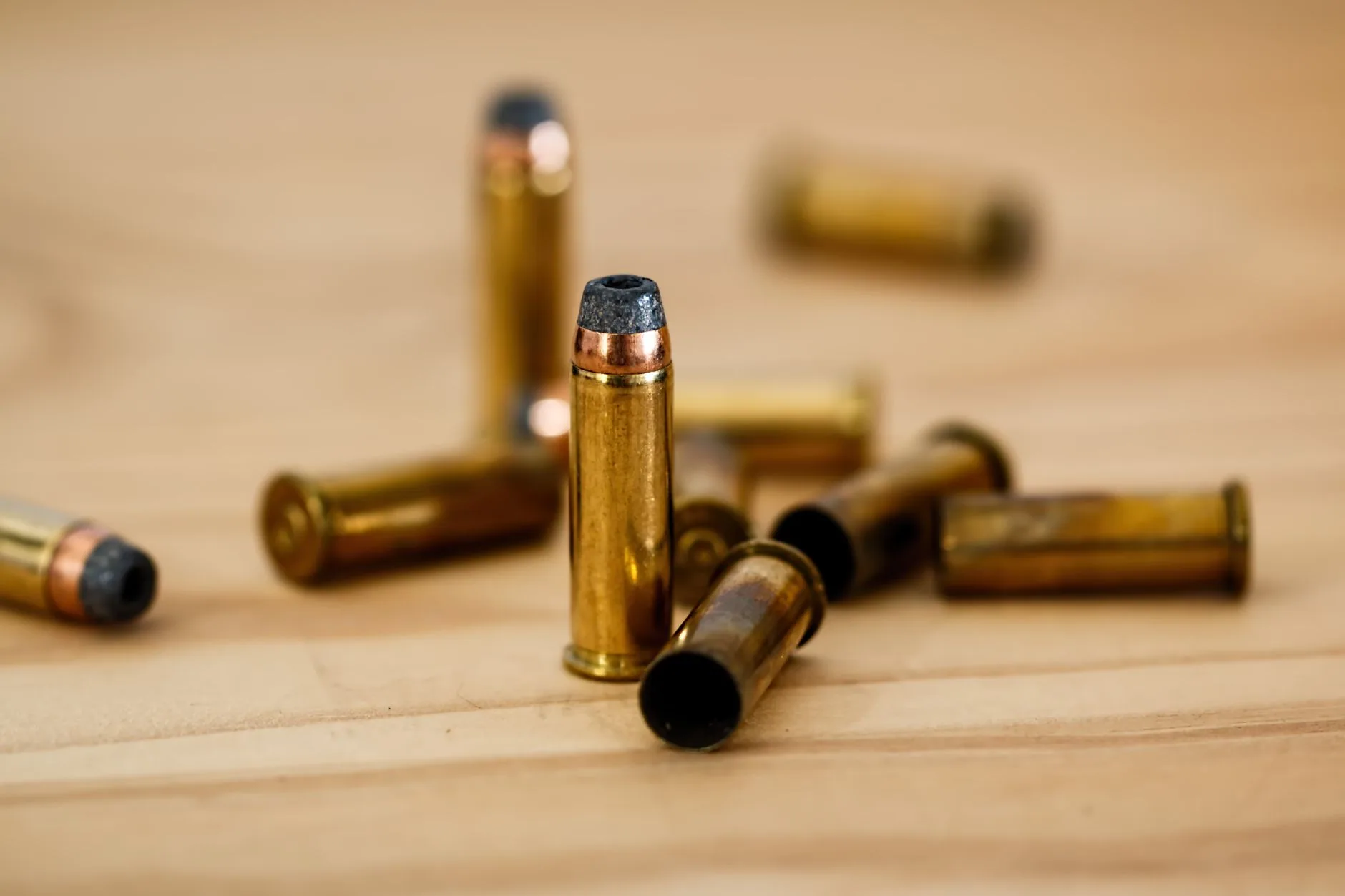
Drug lab charges in Arkansas often rely on what officers photograph and seize at the scene. Typical items include glassware, tubing, burners, coffee filters, batteries, lye, solvents and containers holding liquids or sludge. Officers may also seize phones, receipts and pharmacy records to show that someone planned the process.

Many of those items are ordinary household goods. Batteries, drain cleaner and coffee filters sit in kitchens and garages across Arkansas, and none of them proves anything alone. The defense looks at what was actually found together, who touched it and whether officers kept the scene the way they found it.

Lab sites are often dismantled quickly because of fire and chemical hazards, which means much of the physical evidence is destroyed after sampling. When that happens, photographs and sample records become the whole case, and any gaps in them matter.

Precursor Chemicals and Purchase Records

Precursors are the chemicals used to make a drug, such as pseudoephedrine for methamphetamine. Federal law limits how much of certain cold medicines a person can buy and requires sellers to keep purchase logs. Prosecutors use those logs to argue that a person was collecting ingredients.

Buying cold medicine is legal, and purchase records show only that a person bought something. The defense compares the records with the client's health needs, the purchases of other household members and the timing of the alleged lab. A pattern that looks suspicious in a police summary often has a plain explanation once the details are laid out.

Possessing certain chemicals or equipment with the intent to make drugs can lead to separate charges even when no finished drug is found. Those counts still require proof of intent, and that proof is frequently thin.

Property Searches in Manufacturing Investigations

Manufacturing cases nearly always involve a search of a home, a building or land. Officers need a warrant, valid consent or an emergency that truly could not wait. A strong chemical odor or a report of a fire is sometimes used to justify going in without a warrant, and the defense tests whether that emergency was real.

Warrants in these cases are often based on informants, neighbor complaints or purchase logs. If the affidavit behind the warrant overstated the facts or relied on stale information, the search can be challenged with a motion to suppress. Evidence found through an unlawful search can be excluded from trial.

Shared property raises its own questions. A person renting a back room, visiting a friend or owning land leased to someone else may have had no control over what was found, and the state must prove that connection rather than assume it.

Science on Trial

Forensic Lab Testing in Drug Manufacturing Cases

Samples from the scene usually go to the Arkansas State Crime Laboratory in Little Rock for identification and weighing. The chemist's report is often the single most important document in the case, because it decides what the substance is and how much of it there was.

Lab testing is done by people following procedures, and mistakes happen. The defense reviews the chain of custody, the testing method, the instrument records and the analyst's notes. Liquids and sludge are especially hard to weigh fairly, and a report that counts unusable byproducts can push the charge into a higher range.

The U.S. Supreme Court has held that a defendant generally has the right to cross examine the analyst whose report is used against him or her. When the science is disputed, the defense may also arrange independent testing of the remaining samples.

The Path of a Manufacturing Case Through Court

A manufacturing charge moves through the same basic court process as other felonies, with extra attention to the lab work. A drug manufacturing lawyer in Little Rock, AR plans for the science at every stage.

  • Arrest and Bond Hearing

    The court sets bond and release terms. Conditions in lab cases can be strict, so the defense pushes for terms that allow work and family care.

  • Scene and Lab Review

    The defense obtains photographs, inventory sheets, sample records and the crime lab report, then compares what was seized with what was tested.

  • Search Challenges

    Motions target the warrant, any claimed emergency entry and any consent, asking the court to exclude evidence gathered unlawfully.

  • Resolution or Jury Trial

    Once the evidence is tested, the client weighs any offer against the strength of the defense and decides whether to go to trial.

Why Work With a Drug Manufacturing Lawyer in Little Rock, AR Who Tries Cases

A lab case needs a lawyer who will read the chemistry and question the chemist, and hiring a drug manufacturing lawyer in Little Rock, AR early gives that review time to happen. David R. Cannon has tried more than 400 criminal cases and handled more than 20 criminal appeals, so he prepares each case with both the trial and a possible appeal in mind. He earned his law degree from the University of Arkansas and was admitted to practice in Arkansas in 1997.

He has won an appellate reversal in a drug case involving attorney misconduct. Every case is different, and a past result does not predict the outcome of another case. He is a past president of the Arkansas Association of Criminal Defense Lawyers and holds Martindale-Hubbell's "Notable" peer rating for ethical standards.

His membership in the National Association of Criminal Defense Lawyers keeps him connected with defense lawyers across the country who challenge forensic evidence. That network matters in lab cases, where the testing methods and their known weaknesses are shared knowledge among people who do this work.

Contact the Firm

Request a Consultation

Tell the firm what you are charged with and the best way to reach you.

Manufacturing Defense in Saline, Garland and Lonoke Counties

Manufacturing arrests often happen outside city limits, on rural property or in small rental homes. The firm defends clients in Benton, Bryant, Hot Springs and Lonoke, as well as Little Rock and North Little Rock. Each county has its own prosecutors, judges and drug task force habits, and a drug manufacturing lawyer in Little Rock, AR who appears in those courtrooms knows how cases there tend to move.

Some manufacturing cases grow into sale accusations, and those call for a drug trafficking defense as well. When federal agents are involved, the firm also offers federal criminal defense. The full range of drug cases the firm handles is listed under drug crime defense in Little Rock.

Rural cases bring their own questions, such as who owned the land, who leased it and who actually used each building. Those facts often decide whether a property owner or a guest should ever have been charged.

All Service Areas

Questions About Meth and Drug Lab Cases

Can I be charged with manufacturing if I only lived at the house?

Yes, but living there is not proof. The state has to show that you knew about the lab and took part in it or controlled it. Where several people had access to the property, the defense examines fingerprints, purchase records and statements to show that the connection to you is weak or missing.

Does the weight in a meth case include the liquid or mixture?

Often it does. Arkansas measures meth manufacturing by aggregate weight, which includes adulterants and diluents mixed with the drug. That rule can inflate the number, especially with liquids. The defense reviews how the lab separated, dried and weighed each sample, because a lower weight can mean a lower charge.

Is buying pseudoephedrine enough to prove manufacturing?

No. Buying cold medicine is legal, and a purchase log shows only that a sale happened. Prosecutors use logs alongside other evidence, such as equipment found at a home, to argue a plan to make meth. Without that other evidence, purchase records alone rarely prove that anyone manufactured a drug.

Can a manufacturing charge be reduced to possession?

Sometimes. When the evidence of an actual production process is weak, or the lab report shows a smaller amount than the state first claimed, prosecutors may agree to a lesser charge such as possession. Whether that happens depends on the facts, the client's record and how well the search and the science hold up under challenge.

Can the crime lab results be challenged?

Yes. A lab report is evidence, not a final answer. The defense can review the chain of custody, the instrument data and the analyst's procedures, question the analyst at trial and, in many cases, request independent testing of what remains. Errors in weighing or identification can reduce or defeat the charge.

Protect Your Rights

Get a Manufacturing Defense Started While the Evidence Is Fresh

Lab scenes are cleared, samples are consumed and records grow harder to obtain as weeks pass. Call David R. Cannon, a drug manufacturing lawyer in Little Rock, AR, now so the search, the chemistry and every claim against you are examined while there is still time to act.