(501) 978-5353 North Little Rock, AR Monday to Friday, 8:30 AM to 5:00 PM Criminal defense in state and federal court

DWI Defense

DWI Lawyer in Little Rock, AR for Drivers Facing Charges

Charged with drunk driving? Talk with a DWI lawyer in Little Rock, AR who has defended people accused of crimes since 1999 and has tried more than 400 criminal cases.

What a DWI Lawyer in Little Rock, AR Does in the First Week

A DWI arrest in Arkansas opens two cases at the same moment. One is the criminal charge filed in court. The other is an administrative case over your driving privilege, handled by the Office of Driver Services, and it moves much faster than the court case does.

At the arrest, the officer takes your license and hands you a dated receipt. Under Arkansas law that receipt works as a license for up to 30 days, and it doubles as notice that your driving privilege will be suspended. The same form explains your right to a hearing, and a hearing must be requested within seven calendar days of receiving that notice.

Many people lose that first week waiting for a court date that is weeks away. Calling a DWI lawyer in Little Rock, AR early gives you a chance to request the hearing on time, preserve video from the stop and start building the defense while memories are fresh.

At the Roadside

Traffic Stops and Field Sobriety Test Defense

Every DWI case begins with a reason to stop the car. An officer needs reasonable suspicion of a traffic violation or of impaired driving, such as weaving across lanes on Interstate 630 or running a light on Broadway. When the stop itself was not lawful, the evidence gathered after it may be challenged in court.

Field sobriety tests come next in most cases. They are physical and mental exercises scored by the officer at the roadside, often at night, on uneven shoulders and with traffic passing a few feet away. A DWI lawyer in Little Rock, AR building a field sobriety test defense looks closely at how each exercise was explained, demonstrated and scored. Common problems include:

  • Instructions that were rushed, incomplete or given in a noisy setting
  • Uneven, sloped or gravel surfaces and poor lighting
  • Footwear, injuries, age or weight that affect balance
  • Fatigue, nerves or medical conditions that mimic impairment
  • Dash or body camera footage that does not match the written report

Breathalyzer Test Challenge and Blood Evidence

Arkansas makes it a crime to drive while intoxicated, and it separately makes it a crime to drive with an alcohol concentration of 0.08 or more in the breath or blood. A breath or blood number often becomes the center of the prosecution, which is why it deserves careful scrutiny rather than acceptance at face value.

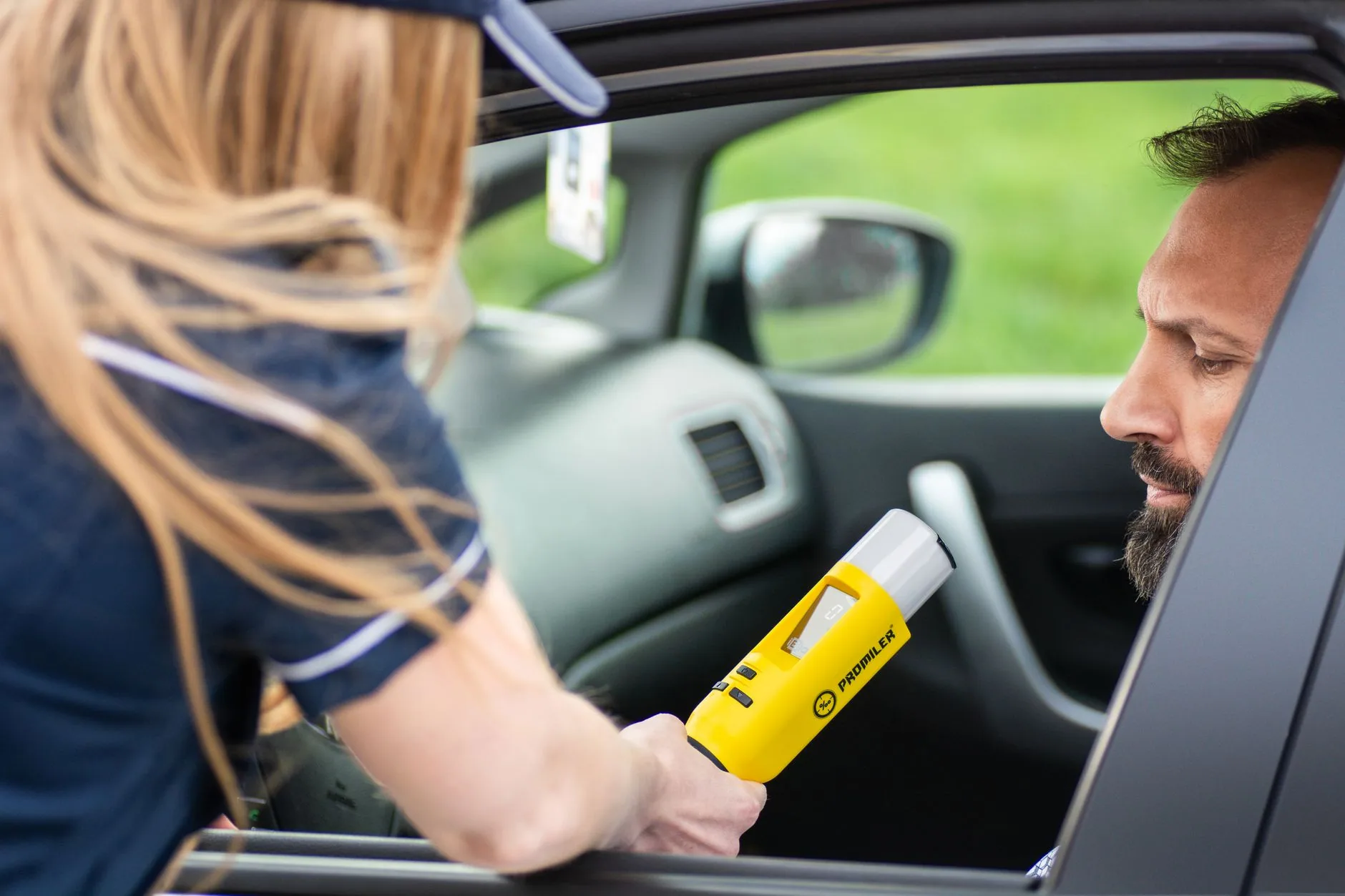
For a DWI lawyer in Little Rock, AR, a Breathalyzer test challenge starts with the records behind the machine. We look at maintenance and calibration logs, the operator's training records, the required observation period before the test and whether the sample was handled the way state rules require. Mouth alcohol, acid reflux and certain medical conditions can push a reading higher than the true level.

Blood tests raise different questions. Arkansas law requires a warrant or the driver's express consent before a blood draw, unless an emergency makes waiting impractical. How the sample was drawn, stored, labeled and analyzed all matters, and gaps in that chain can weaken the result the state relies on.

Refusal and Implied Consent in Arkansas

Arkansas treats every driver as having agreed in advance to chemical testing of breath, saliva or urine after an arrest for DWI. That rule is called implied consent. A driver can still refuse, and when that happens no test is given, but the refusal carries consequences of its own.

Refusing a chemical test is a separate offense under Arkansas law, classified as a violation. The Office of Driver Services also suspends the driving privilege, for 180 days on a first refusal, two years for a second refusal within five years and longer for later ones. Prosecutors may also try to use the refusal itself as evidence in the DWI case.

A refusal case is not a lost case. The state still has to prove the original stop and arrest were lawful and that the officer asked for the test properly. A DUI lawyer in Little Rock can review the refusal paperwork, the officer's warnings and the video to see whether the procedure was followed.

Your Driver's License After a DWI Charge

For many people in Pulaski County, the license is the most urgent concern, because it is how they get to work, school and family obligations. Arkansas sets administrative suspension periods by the number of prior offenses, and the clock runs separately from the criminal case.

For a first DWI based on alcohol, state law sets a six month suspension. Arkansas also allows an ignition interlock restricted license in many alcohol cases, which lets a driver keep going to work with a breath device installed in the vehicle. A second offense within five years carries a 24 month suspension, and the penalties keep climbing from there.

A timely hearing request matters here. At the hearing, the officer's sworn report can be tested and errors in the paperwork can come to light. A DWI lawyer in Little Rock, AR can also explain how the hearing result affects the criminal case. Even when a suspension cannot be avoided, knowing your options for restricted driving helps you plan for the months ahead instead of guessing.

First Offense DWI Arkansas Penalties Compared With Repeat Charges

A first offense DWI in Arkansas is an unclassified misdemeanor. State law allows a jail sentence of 24 hours up to one year, and the court may order public service instead of jail. The minimum rises to seven days when a passenger under 16 was in the vehicle, which is a detail prosecutors look for in every report.

Repeat charges are measured against a ten year lookback period. A second offense within ten years carries at least seven days, and a third carries at least 90 days. A fourth offense within ten years is an unclassified felony punishable by one to six years, and a conviction from another state can count as a prior offense.

Because the stakes rise so quickly, a first charge deserves the same attention as a fifth. Keeping a first offense from becoming a conviction protects you from enhanced penalties if you are ever stopped again. Felony level cases are handled alongside our felony defense in Little Rock, and first and second offenses with our misdemeanor defense work.

How a DWI Case Moves Through Pulaski County Courts

Most first, second and third DWI charges begin in the district court where the arrest happened, such as Little Rock District Court on West Markham Street. Felony DWI cases go to circuit court.

  • Arrest and Release

    The officer files a sworn report, takes your license and issues the 30 day receipt. Release conditions are set, and the seven day window to request a license hearing begins.

  • Arraignment and Discovery

    You enter a plea of not guilty, and the defense asks for the reports, test records and video. Those records show how strong the state's evidence really is.

  • Motions and Negotiation

    Motions can challenge the stop, the arrest or the test results. Weak evidence often leads to a reduced charge or a dismissal before any trial date.

  • Trial or Resolution

    When a fair agreement is not offered, the case is tried in district court, and an appeal to circuit court allows the case to be heard again there.

Why Drivers Choose a DWI Attorney in Little Rock Who Tries Cases

David R. Cannon was admitted to practice in Arkansas in 1997 and founded The Cannon Law Firm in 1999. The firm focuses only on defending people charged with crimes, and Mr. Cannon has tried more than 400 criminal cases and handled more than 20 criminal appeals. That trial record matters in DWI work, where a prosecutor's offer often depends on whether the defense is ready to go to court.

He is a founding member and past president of the Arkansas Association of Criminal Defense Lawyers and a life member of the National Association of Criminal Defense Lawyers. Martindale-Hubbell gives him a Notable peer rating and a Client Champion Gold recognition from client reviews.

DWI defense is one part of the firm's wider criminal defense practice. When a traffic stop also leads to drug or weapons charges, the same attorney can handle every count, so nothing is lost between separate lawyers.

Contact the Firm

Request a Consultation

Tell the firm what you are charged with and the best way to reach you.

DWI Defense Along Central Arkansas Highways

DWI arrests in this region often follow the major roads. Interstate 40 runs through North Little Rock toward Conway, and Interstate 30 carries traffic southwest through Bryant and Benton toward Hot Springs. Each city along those routes has its own police department and its own district court, with its own schedules and local practices.

The Cannon Law Firm is based at 425 West Broadway Street in North Little Rock and represents drivers charged throughout central Arkansas. We regularly help people arrested in North Little Rock, Conway, Bryant and Benton, along with Little Rock and the rest of Pulaski County.

If you were stopped while passing through and live out of state, the case still has to be handled in the Arkansas court where it was filed. A DWI lawyer in Little Rock, AR who knows that court can often appear for you and keep the case moving.

All Service Areas

DWI Questions

Common DWI Questions From Little Rock Drivers

How long do I have to save my license after a DWI arrest in Arkansas?

You have seven calendar days from the notice on your receipt to request an administrative hearing with the Office of Driver Services. The receipt itself works as a temporary license for up to 30 days. Missing the seven day deadline usually means the suspension takes effect without a hearing, so call an attorney as soon as possible after the arrest.

Can I be charged with DWI if my breath test was under 0.08?

Yes. Arkansas law makes it a crime to drive while intoxicated, and that charge does not depend on a specific number. An officer may rely on driving behavior, field sobriety tests and observations instead. A reading under 0.08 is still strong evidence for the defense, and it often shapes how the case is negotiated or tried in district court.

Will a first DWI in Arkansas put me in jail?

State law sets a range of 24 hours to one year for a first offense, and the court may order public service instead of jail. The minimum rises to seven days when a passenger under 16 was in the vehicle. Many first offense cases are resolved without extended jail time, but the outcome depends on the facts and the defense.

Does refusing the breath test help or hurt my DWI case?

Refusing means no test result exists, but it triggers a separate violation charge and a 180 day suspension for a first refusal. Prosecutors may also present the refusal to the court. Whether it hurts depends on how the officer handled the stop, the warnings and the request, which is why the paperwork and video deserve a close review.

Can a DWI be reduced to a lesser charge in Pulaski County?

Sometimes. When the stop was questionable, the field sobriety tests were poorly administered or the test records have problems, prosecutors may agree to reduce the charge. A reduction depends on the evidence and on the defense being ready for trial. Every case is different, and a past result does not predict the outcome of another case.

Talk Today

Protect Your License and Your Record Starting Today

The seven day hearing deadline does not wait for your court date. Call The Cannon Law Firm at (501) 978-5353, Monday to Friday from 8:30 AM to 5:00 PM, and talk through your arrest with an attorney who has defended drivers in central Arkansas since 1999.